
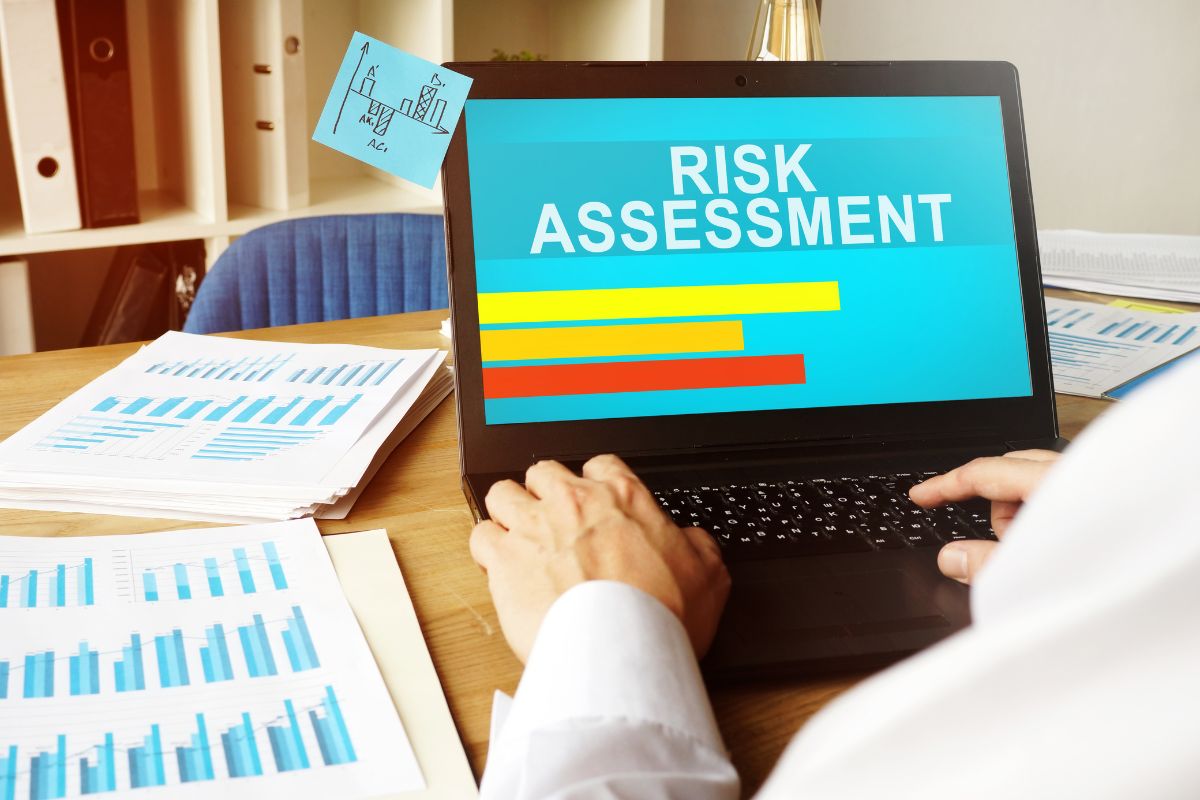
How to Perform a Cybersecurity Risk Assessment
In today’s hyper-connected world, cybersecurity is no longer optional, it’s essential. Whether you’re running a small business, managing a large enterprise, or even maintaining personal digital assets, understanding your risks is the first step toward protecting them. A cybersecurity risk assessment helps you identify vulnerabilities, evaluate threats, and prioritise security measures before problems arise.
This guide walks you through the entire process of performing a cybersecurity risk assessment, breaking it down into clear, actionable steps.
What Is a Cybersecurity Risk Assessment?
A cybersecurity risk assessment is the process of identifying, analysing, and evaluating risks that could compromise your organisation’s information systems. It helps answer key questions:
- What assets do we need to protect?
- What threats could target those assets?
- Where are our vulnerabilities?
- What would be the impact of a breach?
- How can we reduce or manage these risks?
The goal is not to eliminate all risks because that’s impossible, but to reduce them to an acceptable level.
Why is Cybersecurity Risk Assessment Important?
A proper risk assessment allows organisations to:
- Prevent costly data breaches: By identifying vulnerabilities early, organisations can take proactive measures to fix weaknesses before attackers exploit them, significantly reducing the chances of expensive and damaging data breaches.
- Comply with regulations and standards: Conducting regular risk assessments helps businesses meet legal, regulatory, and industry requirements, avoiding penalties and ensuring adherence to frameworks such as data protection and privacy laws.
- Improve decision-making for security investments: Risk assessments provide clear insights into where the most critical threats lie, enabling organisations to allocate budgets and resources more effectively toward the areas that need protection the most.
- Build customer trust: When customers know that an organisation actively evaluates and strengthens its cybersecurity posture, they are more likely to trust the company with their sensitive information.
- Ensure business continuity: By understanding potential risks and preparing mitigation strategies, organisations can minimise disruptions and maintain operations even in the face of cyber incidents.
Without a structured assessment, security efforts often become reactive instead of proactive, leaving organisations vulnerable to unexpected threats and attacks.
Step 1: Identify and Prioritise Assets
The first step is to understand what you are protecting. Assets include anything that holds value to your organisation.
Common Asset Types:
- Data: Customer records, financial data, intellectual property
- Hardware: Servers, laptops, mobile devices
- Software: Applications, operating systems
- People: Employees, contractors
- Processes: Business operations and workflows
How to Prioritise:
Assign value to each asset based on:
- Sensitivity (confidential, public, restricted)
- Importance to operations
- Legal or regulatory requirements
For example, a customer database is typically far more critical than a public marketing document.
Step 2: Identify Threats
Once you know what you’re protecting, identify potential threats that could harm those assets.
Types of Threats:
- Cybercriminals: Hackers, ransomware groups
- Insiders: Disgruntled employees or human error
- Natural events: Floods, fires, earthquakes
- System failures: Hardware malfunctions, software bugs
Common Cyber Threats:
- Phishing attacks
- Malware and ransomware
- Denial-of-service (DoS) attacks
- Credential theft
- Zero-day vulnerabilities
It’s important to think broadly, threats aren’t always malicious; sometimes they’re accidental.
Step 3: Identify Vulnerabilities
Vulnerabilities are weaknesses that threats can exploit.
Examples:
- Outdated software or unpatched systems
- Weak passwords or lack of multi-factor authentication
- Misconfigured cloud storage
- Lack of employee training
- Poor network segmentation
How to Find Vulnerabilities:
- Conduct vulnerability scans
- Perform penetration testing
- Review system configurations
- Audit access controls
This step often reveals gaps between your current security posture and best practices.
Step 4: Analyse Risk
Risk is typically calculated using the formula:
Risk = Likelihood × Impact
Likelihood:
How likely is a threat to exploit a vulnerability?
- High: Frequent attacks or known exploit
- Medium: Possible but not common
- Low: Rare or difficult to execute
Impact:
What would happen if the threat succeeds?
- Financial loss
- Reputational damage
- Legal consequences
- Operational disruption
Example: If a company stores sensitive customer data and lacks encryption, the likelihood of a breach may be medium, but the impact would be high, resulting in a high overall risk.
Step 5: Evaluate and Prioritise Risks
Not all risks are equal. After analysing them, rank risks based on severity.
Risk Levels:
- Critical: Immediate action required
- High: Address as soon as possible
- Medium: Monitor and mitigate over time
- Low: Acceptable or minimal concern
A risk matrix (likelihood vs. impact grid) is often used to visualise and prioritise risks.
Step 6: Implement Security Controls
Once risks are prioritised, implement measures to mitigate them.
Types of Controls:
1. Preventive Controls
- Firewalls
- Encryption
- Access controls
- Multi-factor authentication
2. Detective Controls
- Intrusion detection systems
- Log monitoring
- Security audits
3. Corrective Controls
- Backup systems
- Incident response plans
- Disaster recovery procedures
Example:
If phishing is a major risk, mitigation might include:
- Employee training
- Email filtering systems
- MFA implementation
Step 7: Document Everything
Documentation is a critical but often overlooked part of the process.
Include:
- Asset inventory
- Identified threats and vulnerabilities
- Risk analysis results
- Chosen mitigation strategies
- Assigned responsibilities
Good documentation ensures consistency, accountability, and easier audits.
Step 8: Monitor and Review Regularly
Cybersecurity is not a one-time activity. Threats evolve, systems change, and new vulnerabilities emerge.
Best Practices:
- Conduct assessments annually (or more frequently)
- Monitor systems continuously
- Update risk assessments after major changes
- Track effectiveness of controls
Regular reviews help ensure your defenses remain effective over time.
Common Frameworks to Follow
Many organisations use established frameworks to guide their assessments:
- NIST Risk Management Framework (RMF)
- ISO/IEC 27001
- CIS Critical Security Controls
- FAIR (Factor Analysis of Information Risk)
These frameworks provide structured methodologies and best practices.
Challenges in Risk Assessment
While the process sounds straightforward, organisations often face several significant challenges when conducting cybersecurity risk assessments:
- Lack of Visibility: Incomplete or outdated asset inventories make it difficult for organisations to identify all critical systems and data, which can result in overlooked vulnerabilities and unmanaged risks.
- Resource Constraints: Many small and medium-sized businesses lack the necessary budget, skilled personnel, or advanced tools required to perform comprehensive and effective risk assessments.
- Rapidly Changing Threat Landscape: Cyber threats continue to evolve at a fast pace, making it challenging for organisations to keep their risk assessments current and adapt their defenses accordingly.
- Human Factors: Employees can unintentionally introduce security risks through actions such as falling for phishing attacks, using weak passwords, or failing to follow security policies.
Overcoming these challenges requires a strategic combination of advanced technology, continuous employee training, and strong leadership support to build a resilient cybersecurity posture.
Best Practices for Effective Cybersecurity Risk Assessment
To ensure your cybersecurity risk assessment delivers meaningful results, consider the following best practices:
- Begin with a focused approach and scale gradually: Start by assessing your most critical systems or processes, and then expand the scope over time as your resources, tools, and expertise grow.
- Prioritise high-impact and high-likelihood risks: Focus first on risks that could cause the most damage or are most likely to occur, ensuring that your efforts deliver the greatest value.
- Encourage cross-functional collaboration: Involve multiple departments such as IT, legal, compliance, and operations to gain a comprehensive understanding of risks across the organisation.
- Leverage automation and security tools: Use automated tools for vulnerability scanning, monitoring, and reporting to improve efficiency and reduce the likelihood of human error.
- Invest in continuous employee training: Regularly educate employees about cybersecurity best practices, as human error remains one of the leading causes of security incidents.
- Align cybersecurity with business objectives: Treat cybersecurity as a core business priority rather than just an IT function, ensuring it supports overall organisational goals and long-term resilience.
Real-World Example
Imagine a mid-sized e-commerce company conducting a risk assessment:
- Assets Identified: Customer data, payment systems
- Threats: Hackers targeting credit card information
- Vulnerabilities: Weak password policies
- Risk Analysis: High likelihood and high impact
- Mitigation: Enforce strong passwords and implement MFA
This simple process can significantly reduce the risk of a costly breach.
Conclusion
A cybersecurity risk assessment is one of the most important steps an organisation can take to protect itself in the digital age. By systematically identifying assets, threats, vulnerabilities, and risks, you can make informed decisions that strengthen your security posture.
Remember, cybersecurity is not about achieving perfection, it’s about managing risk intelligently. The sooner you start assessing your risks, the better prepared you’ll be to handle whatever threats come your way.
By following the steps outlined in this guide, you’ll be well on your way to building a resilient and secure environment for your organisation.
Final Thoughts
Think of a cybersecurity risk assessment as a health check for your digital infrastructure. Just as regular medical checkups help detect issues early, ongoing risk assessments help you stay ahead of cyber threats.
In a world where data breaches and cyberattacks are becoming increasingly common, taking a proactive approach is no longer optional, it’s essential.